
Before you sign off your 2027 fleet budget
Check what has changed, what may be missing and where investment could make a difference.
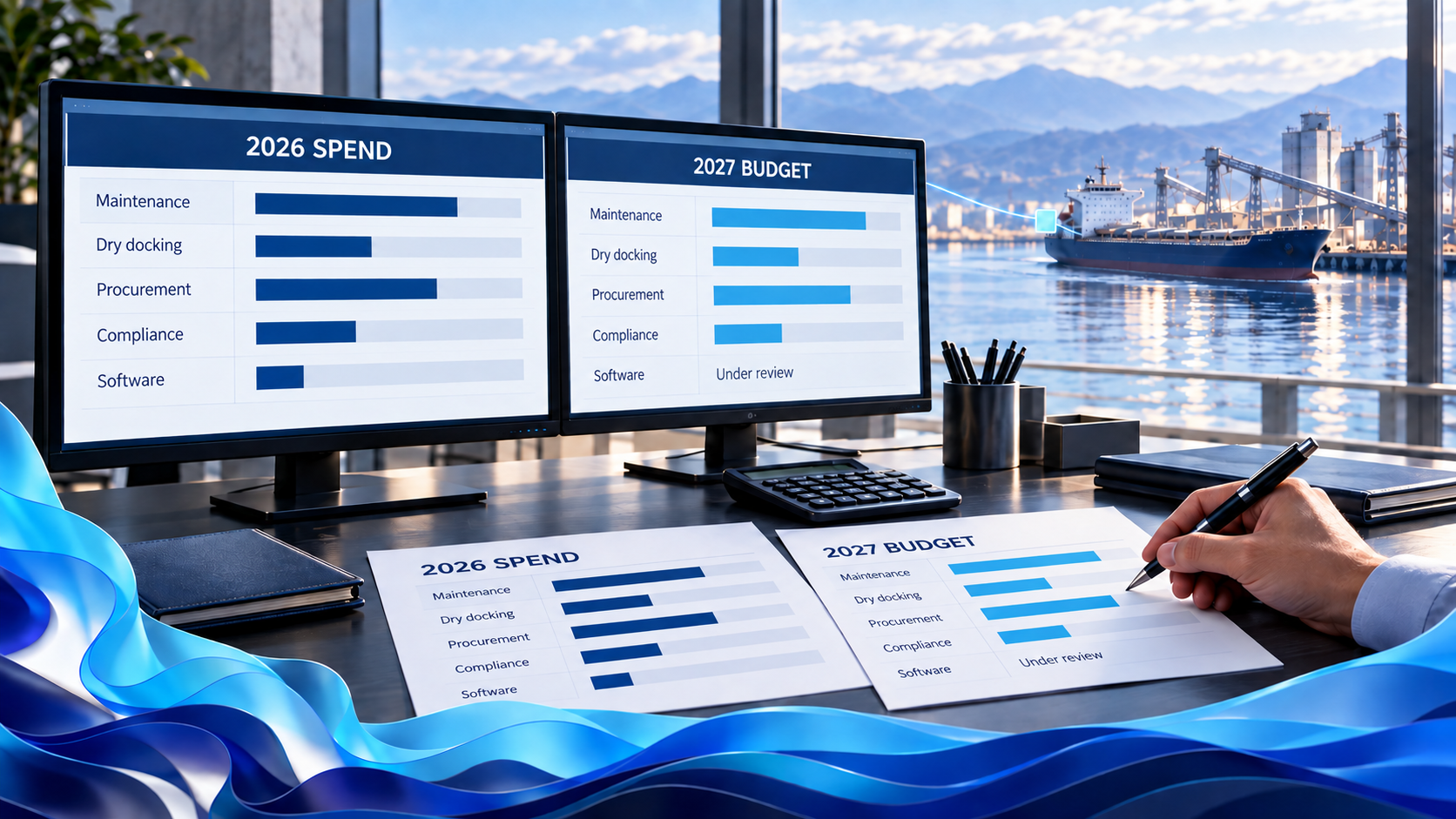
Last year’s figures are a useful starting point...
But changes in maintenance requirements, compliance obligations, and fleet structure can make a simple uplift unreliable.
Our free **2027 Fleet Budget Check** helps you review those assumptions, identify costs that need closer attention, and prepare the questions worth answering before approval.
Free Excel download. No email address required.*
Use the spreadsheet to
-
Compare your proposed budget with your latest expected 2026 spend.
-
Review compliance costs, expected recoveries and payment timing.
-
Estimate the time absorbed by manual processes and the premiums paid for urgent work.
-
Account for fleet changes, including systems setup, data migration and training.
-
Record outstanding questions before the budget is signed off
A practical check alongside your existing budget
You do not need to rebuild your budget to use it. Start with your current figures and the information you have available, then work through the areas most relevant to your fleet.
The workbook includes example figures, clearly marked input cells and a cheat sheet explaining the terms and calculations. Replace the examples with your own figures and use the review to identify where colleagues need to provide more detail.
Your results bring together budget differences, potentially unbudgeted compliance and fleet-change costs, estimated process costs and unanswered sign-off questions.
Next year’s costs need next year’s assumptions
A percentage increase can account for rising prices. It cannot tell you whether a vessel needs more maintenance, a dry docking changes your cash requirements or a new management contract creates additional work ashore.
It can also carry forward recurring costs without questioning their cause. Expedited freight, repeated reconciliation and reports assembled by hand may already be familiar expenses, but understanding them gives you a better basis for deciding what to improve.
Planning ahead helps you make room for both the costs you expect and the changes that could help you control them.
Make room to evaluate improvements
If the review highlights limited visibility of vessel costs, duplicate data entry, or gaps between maintenance and purchasing, consider whether your 2027 plans include an allowance to address them.
Start with the operational outcome you need. Then assess the processes and software that could support it, including the cost of implementation, integrations, data migration, training and your team’s involvement.
The workbook helps you identify questions for that evaluation. Time released for other work should be considered separately from savings that would reduce expenditure.
TRUSTED BY OVER 150 COMPANIES IN 31 COUNTRIES





Gather your starting figures
Have your 2026 budget, latest expected outturn, and proposed 2027 uplift to hand.
Work through the relevant checks
Add estimates where necessary and note the assumptions that need confirming.
Review the results with your team
Use the summary and sign-off checklist to agree what needs investigating or allowing for.
Want to talk through what you find?
If the review raises questions about vessel costs, manual reporting, or coordination between maintenance, purchasing, and finance, tell us what you are looking to improve.
Shipnet connects operational and financial information across these areas. We can explore your current setup, discuss where a more connected approach could help, and outline the implementation and investment you would need to consider.
You do not need to upload your budget or share financial figures to start a conversation.